Open home tips for sellers running their own
How to prepare, host and follow up your own open homes, from the night before to the follow-up message.
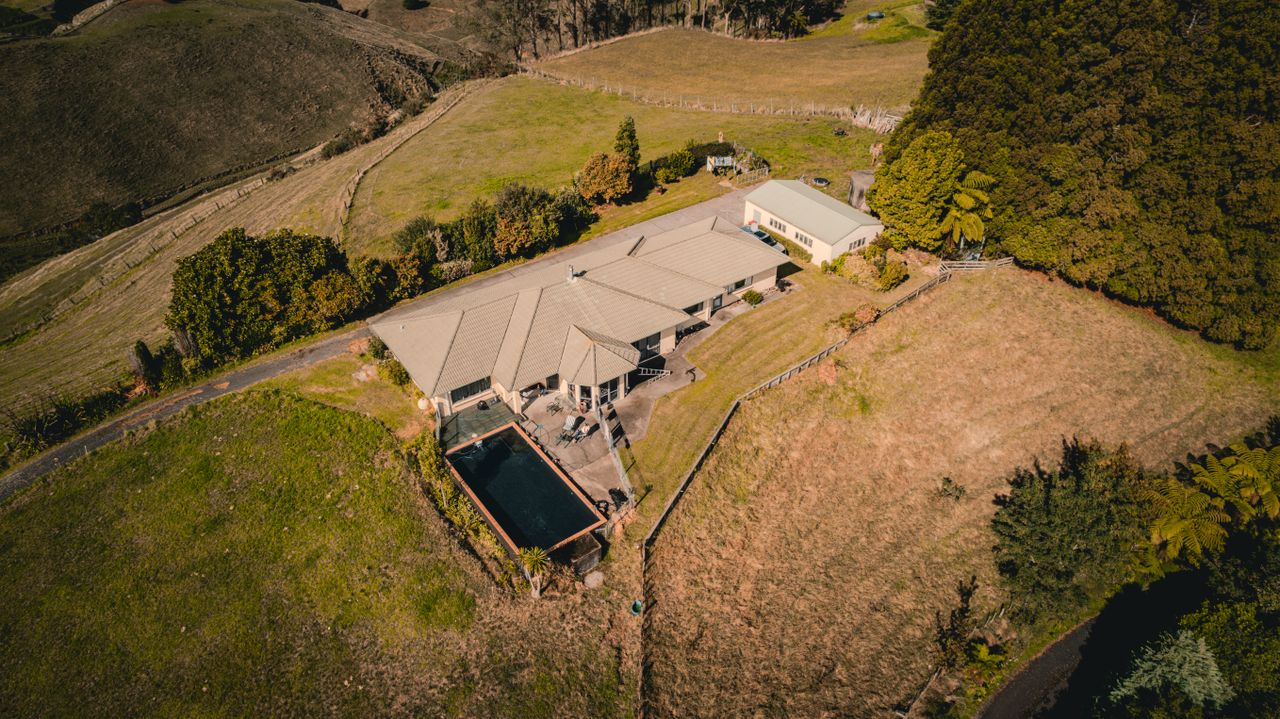
If you are selling without an agent, you are the host, so a successful open home comes down to three things: a house that is tidy, bright, warm and fresh-smelling, valuables and medicines locked away, and a simple way to record who came and follow up within 24 to 48 hours. Most of the work is done before the first potential buyer arrives. This guide goes through it in the order you will do it.
Why the first impression decides so much
A potential buyer forms a view fast. Buyers typically make up their minds within two to three seconds of seeing the property from the street. A Palmerston North agency says the first 30 seconds of a viewing shape the emotional tone of the whole visit.
What they react to is mostly cheap to fix:
- the front fence, garden, driveway, letterbox and entrance
- whether the entry feels light or dark, tidy or chaotic
- how the house smells
- how clean it is
- how much stuff is in the way
You do not need to renovate. Presenting your home well means it feels looked after and is easy to walk through. One honest caveat: presentation helps, but it cannot rescue an asking price that is out of step with the real estate market around you. Look at what comparable homes in your street have sold for before you fix a price.
How to prepare for an open home
Start with street appeal
A potential buyer often drives past before coming in, and some do it before the open house even starts. Make the front look cared for before anything else:
- Mow the lawn and trim and weed the gardens.
- Make sure the letterbox is not overflowing.
- Sweep the path, driveway and entry.
- Put the bins out of sight.
- Move cars off the driveway and away from the front of the house.
- Open gates and unlock doors so people can move freely around the property.
If you want to spend a little money, one Taranaki agency suggests a water blast on the deck, a coat of paint on the front fence, and potted plants. Pots have a bonus: you can take them with you when you move. Another agency adds that garages, front doors and window and door frames deserve a look, because tired paint shows.
Declutter, then depersonalise
Buyers want to assess the house, not your belongings. Put away kids' toys, toiletries, garden tools and anything else that is easy to remove. Clear the kitchen benches, remove the pile of coats and shoes by the front door, and take out excess furniture so rooms feel open.
Family photos and statement art should come down too. Home buyers need to picture themselves living there, and the photos can go back up once the open home is over.
Two practical tricks:
- Use storage containers for the last-minute dash. A New Zealand renovation guide suggests keeping containers in the high-clutter areas, so toys, papers and shoes can be thrown in and slid under a bed or into a wardrobe in a couple of minutes.
- Tidy the insides of cupboards and wardrobes. Buyers open them to judge storage, and neat shelves suggest the rest of the house has been looked after too.
Be realistic about what buyers will open. The same guide points out that many people lift the lid of the washing machine, even if it is not part of the sale. Empty the rubbish containers and clear dirty laundry from everywhere, including the machine.
Clean what buyers look at hardest
Kitchens and bathrooms get the most attention. Wipe down surfaces, polish taps and mirrors, and clear the vanity of personal items. Put out fresh towels hung neatly, put the toilet seat down, and keep the kitchen sink clean and dry.
One agency makes a point worth remembering: buyers tend to link cleanliness with maintenance. Even an older home feels cared for when it is clean, and that builds trust.
Fix the small things
Walk around as a buyer would and fix what you can: blown light bulbs, a dripping tap, a squeaky door, a loose latch. Show the property's potential, not the list of DIY jobs a buyer would be signing up for. Small faults also make people wonder what else has been left.
If you did any work without a building consent, deal with it before you list. A Nelson agent warns that unconsented work raises alarm bells for buyers, who are likely to get a building report anyway. Your solicitor can tell you what to do about it.
Light
Open every curtain and blind fully. Turn on the lights in every room, including lamps and pendants, and replace any burned-out bulbs. Lights make spaces feel larger when there is no sun. If trees are blocking light, pruning helps, and clean windows let in more of what there is.
Warmth
On a cold day, put the heaters on or light the fire well ahead. Buyers can then see how the home is heated as well as feel it. In warm weather, open the patio doors so the house flows to the outdoors.
Smells
Smell is the one thing sellers cannot judge for themselves, because you stop noticing your own home. Ask a friend you trust for an honest opinion before the open home.
The common culprits are pets, last night's dinner, damp, smoke and rubbish. Here is what to do:
- Do not cook anything pungent the night before.
- Open windows and doors well ahead of the viewing.
- Empty bins and clear dirty laundry.
- Wash pet bedding, or move it and the litter tray outside.
- If anyone smokes, ventilate well and empty the ashtrays.
- Run the bathroom extraction fan for 15 minutes before buyers arrive.
- Check outside as well: drains, septic vents, decaying leaves and compost heaps can all put buyers off.
Then do the walk-out test. About an hour before the open home, step out the front door, wait 30 seconds, and walk back in as a buyer would. If you can smell pets, cooking or anything that is not fresh air, ventilate for another 30 minutes.
Be careful with scent. Strong candles or sprays mean buyers may suspect you are covering up something like damp. A clean, well-aired house is the best fragrance. If you want a lift, fresh flowers are safer than a candle.
Pets
Take them with you. A Northland agent notes that not every buyer likes animals, and that pet smell is among the most commented-on things in open home feedback.
Empty home? Stage it lightly
An empty house can feel smaller than it is. A few borrowed or hired pieces of furniture help buyers see scale and how a room could be used. Professional home staging is an option if you want to go further, but you can stage a vacant house simply with a sofa, a table and some fresh flowers.
The hour-by-hour plan
Break the preparation into stages so you are finishing, not starting, on the morning.
| When | What to do |
|---|---|
| Night before | A full tidy pass through every room, dishes done, quick vacuum of the main traffic areas |
| Two hours out | Outside first (mow, sweep, bins away, cars off the drive), then open all curtains and blinds, turn on every light |
| One hour out | Smell test, and more ventilation if needed |
| 20 to 30 minutes out | One last walk-through: lights on, curtains open, entry welcoming, driveway clear |
Security: valuables, medicines and personal information
Theft at an open house is not common, but a Taranaki agency says it has heard of cases. Open homes draw a lot of visitors and nobody can watch all of them at once.
Remove or lock away:
- jewellery
- cash
- passports
- cheque books
- prescription medicines
- any other valuables
Use a locked box, or take them out of the house. A drawer may not be enough.
A few more habits help:
- Put away mail and anything with your name, bank details or account numbers on it, plus laptops and any other devices.
- Do not use interior photos on your for-sale sign that show valuable items. They can become a shopping list for burglars.
- Know where every visitor is. If you are alone, you cannot be in every room, so think about asking a friend or family member to help.
How much your insurer expects from you is a question for your insurer.
The day itself
Are weekend open homes more effective than weekday ones?
Generally yes. Weekends tend to pull the biggest crowds, because most buyers are free from work. Avoid clashes with local events that could keep people away. Weekday or evening sessions can suit buyers who cannot come on a weekend, so they are worth considering if your house suits them. A Christchurch agent suggests mid-week for retirees and weekends for young professionals.
How long to run it is your call. Some New Zealand agencies advertise open homes of 30 minutes, which can be enough for a smaller house. A larger home or a rural property may need longer. Treat the time you advertise as firm, and start and finish on time.
How many open homes should you hold?
The same Christchurch agent says two or three open homes is a reasonable starting point, with fewer needed in a seller's market and more in a buyer's market. Your own goal matters too. If you need to relocate quickly, you might hold more in a short window. If getting the best sale price is your main aim, fewer, well-timed open homes can build interest. After each one, ask whether it produced interest or offers, and adjust.
Can a virtual open home replace a physical one?
Probably not. A virtual tour is a useful supplement because it reaches more people, but it seldom replaces the personal feel and sense of space that many buyers want from an in-person visit.
Signs
Make sure people can find you. Put your sign out in good time and make the front entry obvious. Rules on signs placed on roadsides or berms can vary, so check with your council. If you are using OpenKey, the open-home kit includes a for-sale sign.
Greeting visitors
Greet people warmly, say a few words about what makes the house special, and then let them look. Highlight unique features and give some insight into the neighbourhood, such as nearby schools, amenities and lifestyle. A printed feature sheet is useful: it saves you repeating yourself and gives buyers something to take home.
Most buyers want to look in peace. Stay near the entry, answer what they ask, and do not follow them from room to room. A cool drink in summer or a hot drink in winter is a nice touch.
Should you be there?
Estate agents often advise sellers to leave, because buyers speak more freely about what they like and dislike. When you are selling privately, that advice is harder to follow, because you are the one hosting. Two options:
- Ask a calm friend to host and keep a list, while you stay out of the way.
- Stay, but keep your distance, and do not react to comments about the house.
Either way, listen. What you overhear is free feedback.
Recording who came
An open home is only as useful as the list of people it produces. Use a simple, organised system: a sign-in sheet, a digital sign-in, or a follow-up card. Take notes on what each visitor is looking for and what they asked.
A practical approach:
- Ask for a name, phone number and email.
- Add one line of your own: "Wants a third bedroom", "asked about insulation".
- Tell people what you will use their details for, and use them only for that.
- Keep the list somewhere secure.
If you want advice on how to handle visitors' personal information, ask your solicitor.
Answering buyer questions honestly
Good answers build trust. Be straight about what you know, and if you do not know, say so and find out.
One Bay of Plenty agency suggests giving serious buyers a copy of the property title, the LIM report, a recent builder's report and receipts for any work done. If you have nothing to hide, be an open book.
A New Zealand renovation guide also points out that you know things an agent would not: features that are not obvious on a first look, and what has changed in the neighbourhood. Even a local real estate agent cannot know everything about your house, so share what you know.
Get ready for the usual questions on the area, heating, storage and what is included in the sale. Keep a sheet of answers handy, and keep a list of anything you were asked that you could not answer.
Your legal duties when answering questions are set by your contract and the law, not by marketing advice. Ask your solicitor what you must disclose.
Following up after the open home
Reach out to visitors within 24 to 48 hours. Answer any extra questions, give them more property details, and offer another viewing. Be proactive, so buyers do not have to chase you.
Keep it short and personal:
- Thank them for coming.
- Refer to something they said.
- Answer any question you could not answer on the day.
- Offer a second look, and say what happens next if they want to make an offer.
If you get no offers after a few open homes, use the feedback. Common comments tell you whether the issue is presentation, price or marketing.
Private viewings outside open homes
Some buyers cannot make an open home, or want a second look. There are no fixed rules here, so it comes down to judgement:
- Keep a record of who is coming and when. A dashboard for viewings, like the one OpenKey offers, helps.
- Do the same preparation again: lights, warmth, smells and valuables put away.
- Do not leave people alone in the house.
- Evening viewings suit people who work. Turn on the lights so the house looks good.
- Let your solicitor advise on anything about the sale terms.
Top tips and common mistakes
These are the top tips that matter most, and the slips that cost sellers:
- Too much furniture. Oversized furniture in a modest living area makes rooms feel cramped. Store some of it.
- Too many personal items. Photos and ornaments distract buyers from the house itself.
- Over-fragrancing. Heavy scent makes buyers wonder what you are hiding.
- Over-spending. Do not pour all your money into one room. Cosmetic work and small repairs usually go further than a big renovation.
- Leaving the small repairs. A dripping tap or a broken latch tells buyers other things may be neglected.
Frequently Asked Questions
How do I prepare my home for a quick sale?
Get the presentation right first: declutter, clean, fix small faults, open the curtains, turn on the lights and ventilate. Price it in line with recent sales nearby, and hold open homes in a short window so interest builds quickly.
What should I do at a successful open house?
Greet people, give them room to look, answer questions honestly, and record who comes. Keep valuables locked away and know where visitors are.
When is the best day to hold an open home?
Weekends tend to draw the most people. Weekday and evening sessions can reach buyers who work weekends.
How should I follow up after an open home?
Contact visitors within 24 to 48 hours, refer to what they asked, answer anything outstanding and offer another viewing.
Should I be at my own open home?
Buyers talk more openly when the seller is absent. If you are the host, a friend can run it, or you can stay out of the way.
If you want to sell your home yourself and would like help with photos, signage, the listing and handling buyer questions, OpenKey offers a flat fee of $5,000 + GST. More practical advice for a successful sale is in the OpenKey guides.
Selling your own home?
OpenKey gets it photographed, listed on Trade Me, realestate.co.nz and homes.co.nz, with a sign, open-home kit and a dashboard for buyers and offers. One flat fee, never a percentage.
Sell my home →