How to sell your house privately in New Zealand, step by step
What a private sale involves in New Zealand, from pricing to settlement, and what it costs next to commission.
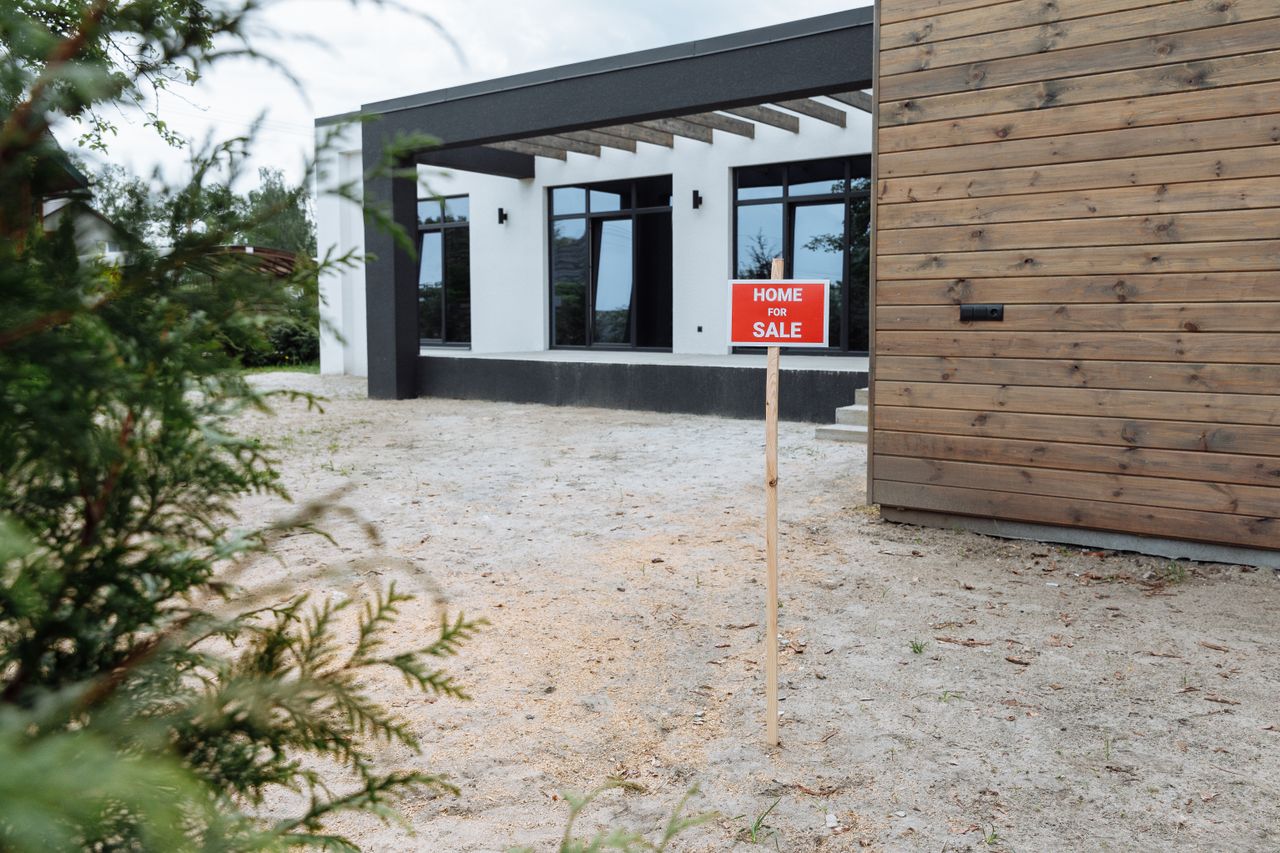
Yes, you can sell your house yourself in New Zealand, and you do not need a licence to do it. A private sale follows the same path as an agent sale: price the home, market it, show it, take offers, sign a sale and purchase agreement prepared by your solicitor, clear the conditions and settle. The saving is the real estate commission, which on a $1 million home can pass $30,000. The catch is that you take on the work the commission pays for, and you carry the legal duty to tell buyers what you know about the property.
Can you sell your home privately without a real estate agent?
There is no legal requirement to use a licensed agent to sell your own property. The government's Settled.govt.nz guide treats selling privately as a normal option. It says a private sale can save you money on commission and give you more control, because you deal directly with potential buyers. It also warns that the transaction is complicated, so you need to know what you are doing and understand the risks.
Many Kiwis who sell their home this way start with the same question: can we sell our property ourselves? The answer is yes. Owners can sell their own property, and it is the paperwork, the pricing and the negotiation that need care, not permission.
There is a long-standing term for it, sale by owner, and private property sales have been a minority of the market for years. Settled.govt.nz reported in 2019 that private sales made up about 10 per cent of residential sales in the year to July, down from 17 per cent in 2014. Few owners go it alone, partly because of the legal documents involved and partly because of the time it takes.
Two things to check before you start:
- Any agency agreement. If you have listed with a real estate agency and then sell privately while the agreement is still in place, you may owe commission, depending on its terms. If an agent introduced a buyer and you later sell privately to that buyer, the agency may still be able to claim commission. Read the agreement first.
- Your identity. Your lawyer or bank must confirm who you are under the Anti-Money Laundering and Countering Financing of Terrorism Act 2009, even in a private sale. A passport is the simplest evidence. A birth certificate with a supporting photo ID, or a New Zealand driver licence with supporting evidence such as a bank card, also works. If the buyer is a company or trust, verification can take longer.
The steps in order
- Work out what the home is worth and settle on a sale price you will accept.
- Choose a solicitor or conveyancer and agree the fee.
- Gather your records and decide what you will disclose.
- Prepare the home and get proper photos.
- List it, put up a sign and answer enquiries.
- Run open homes and private viewings.
- Receive offers, negotiate and send every offer to your lawyer.
- Sign the sale and purchase agreement. The deposit goes to your lawyer's trust account.
- Work through the conditions until the agreement is unconditional.
- Settle, hand over the keys and receive your money.
The rest of this guide takes these in turn. If you want to sell your home privately and keep it orderly, treat this list as your timeline.
Step 1: Work out the sale price
Pricing is where private sellers most often go wrong. They tend to land well above or well below the market, because it is hard to separate what the house is worth from what it is worth to you.
Use several reference points rather than one:
- A registered valuation. One New Zealand guide puts the cost at $600 to $1,200 for a standard residential property, taking three to seven working days. Complex or rural properties run $1,000 to $2,500. You do not need a valuation to sell, but it is the figure a buyer is least likely to argue with. If the buyer's bank wants its own valuation, the buyer pays for it, and that is the same whether you sell privately or through an agent.
- Recent comparable sales. Look at the same type of property in your suburb over the last three to six months. The major property portals show this for free.
- Open homes near you. One former agent suggests visiting at least ten open homes in your area and finding out what they sold for before you list.
- An estimate from a real estate agent. You can ask two agents for an appraisal without listing with them. Remember that an appraisal is partly a pitch, so read it with that in mind.
Do not price off your council rateable value. Councils set it to work out your rates, without visiting the property, and it is not a valuation.
If you own in Auckland, take extra care. Some areas are zoned for development under the Auckland Unitary Plan, and one advice site warns that offers can differ by hundreds of thousands of dollars if the property is not marketed to the right buyers. A registered valuation, and a look at what similar zoned properties have sold for, is worth the money there.
Then decide your bottom line and write it down. Once you accept an offer you cannot back out unless the contract allows it, so you want the number settled before emotion gets involved.
Finally, decide how you will handle more than one interested buyer. One option is a tender, or a stated deadline for offers, where you agree not to sell before that date. The alternative is an asking price with offers considered as they arrive. The hardest part of a private sale is managing competition between buyers, so decide your approach before you list.
Step 2: Line up a solicitor or conveyancer before you list
Settled.govt.nz says to get a lawyer or conveyancer to draw up the sale and purchase agreement, and to have them check it before you sign. Do this before you list, not after the first offer. A solicitor already in place speeds things up when a buyer wants a streamlined process.
Agree what they will do and what it will cost. One guide suggests $1,300 to $2,200 for a standard residential sale, with GST and disbursements often on top.
Your solicitor will:
- prepare the sale and purchase agreement (the seller normally provides it, and it is rare for the buyer's solicitor to do so)
- check your record of title for anything unusual, such as a cross-lease, unit title, easement or covenant
- hold the buyer's deposit in their trust account
- manage the transfer of title and the money at settlement
The standard ADLS/REINZ agreement form is the usual base. Do not draft your own.
Your legal obligations: disclosure and what you must tell buyers
A private seller has the same duty to be straight with buyers as an agent does. Settled.govt.nz says you should share all relevant information about the property, and that what is relevant varies from home to home. Its examples are:
- weather-tightness issues
- boundary or title issues
- unconsented building work or alterations
- proposed developments that could affect a buyer's access, views or enjoyment
If you knowingly fail to disclose, you may be in breach of your agreement with the buyer. The sale could fall over, or the buyer could seek compensation and take you to court. Another guide goes further: you must not mislead a buyer, and getting this wrong is the one private-selling mistake that can follow you after settlement.
You do not have to put every detail in the advert, but buyers who have shown interest in making an offer may need to be told. In practice, being upfront is also better selling. Buyers rarely walk away over small things such as a stain under a rug, but they do walk away when they feel misled. A short written disclosure statement, prepared before you list, keeps you consistent. Tell buyers to get their own independent advice too.
Be careful what you say in conversation. Stick to facts. A casual claim at an open home, such as 'the extension was all signed off', can later be called misrepresentation if it is wrong.
Have these ready, because home buyers commonly ask for them:
- A LIM (Land Information Memorandum), which covers all the information the council holds on the property. It can take up to ten working days to arrive, so order it early.
- Code of Compliance Certificates for any consented building work, and electrical Certificates of Compliance for fixed wiring work.
- Survey plans or title documents showing boundaries and easements.
- A builder's report, if you want to know what a buyer will find before they find it.
If the home is older, check with your insurer early. Insurers are asking for electrical inspection certificates on some pre-1938 properties, and deals can fall over when a buyer cannot get insurance. If you have tenants, the notice rules depend on the type of tenancy, so ask your lawyer to check the timing before you sign.
On tax, whether any applies depends on your circumstances, and the bright-line test is the one to look at if you have owned the home only a short time. GST is a separate question. Ask your accountant or check with Inland Revenue before you list.
Step 3: Get the home ready and market it properly
Preparation
The basics apply when selling a house: declutter, deep clean, fix the small broken things, tidy the exterior and mow. The difference with a private sale is that nobody will tell you the house is not ready to photograph. Ask someone honest to walk through before the shoot.
Photos
Buyers scroll listings on their phones and decide in seconds. Phone photos tend to read as a problem with the property rather than a vendor saving money. Book a professional photographer, and add a floor plan. Without one, buyers cannot picture the layout and often skip the viewing without you ever knowing they looked.
Where to list
- TradeMe Property is where most buyers browse, and private sellers can reach it directly or through a listing service.
- realestate.co.nz is owned by REINZ and a consortium of agencies and is geared to agency listings. Most private sellers do not list there directly. OpenKey's listing includes it.
- homes.co.nz is a third portal worth including for reach.
- Free private-sale platforms exist, with paid tiers. One free-to-list platform allows 15 photos on its free tier, 25 on a $150 tier and 50 on a $650 tier, so plan your shoot around the tier you pick.
- Fixed-fee listing services start from $1,199.
- Local channels such as Facebook, a flyer dropped around the neighbourhood and a sign outside the property cost very little and reach people who already know the area.
Listing fees on TradeMe vary by package, so check the current fee on the site before you budget.
The listing itself
Lead with what is specific: bedrooms, aspect, how far to the train station. Generic phrases like 'stunning family home in sought-after location' read as filler. Answer the questions a buyer would ask: land area, floor area, year built, rates, school zones and which chattels stay. Be honest about the flaws, because buyers find them at the viewing anyway. Say in the advert when you are available to take calls.
Keep your claims factual. Do not describe the home as architecturally designed unless you can show it was designed by a registered architect.
Step 4: Open home and viewing tips
An open home creates a sense of competition that an agent would otherwise manufacture, so run them at regular, advertised times. Saturday is the traditional day. An analysis of search traffic suggests searches for open homes peak on Saturday mornings, and its suggested open home time is between 2pm and 5pm. Many people look at several homes in a day.
Also say yes to a private viewing. Some buyers dislike the pressure of an open home, and many private sales proceed because the buyer got to look in their own time.
Keep the practicalities simple:
- Tidy and clean before each viewing. Make it easy to get the home presentable at short notice.
- Keep a sign-in sheet with names and phone numbers. If you collect personal details, say why and keep them secure.
- Do not run viewings alone, and put valuables away.
- Follow up within 48 hours. This is the step private sellers most often let slide, and it is where offers come from.
- Note what buyers ask and what they say about the price. If interest is slow after the first fortnight, change the photos, headline or price guide.
Can an agent visit your open home and make an offer for a client? Yes. Anyone can visit an open home unless you work by appointment only, in which case you can ask a buyer's intentions before you agree to a viewing. If an agent's client goes on to buy, the agent will expect their standard commission, so be clear in advance who you will deal with.
Step 5: Receive and negotiate offers
Offers will often arrive by email. Do not rush to say yes if you think others are coming. Accepting the first offer and then getting a higher one later is a common regret. Signing and then getting a higher offer is worse, because by then you cannot get out.
When a buyer makes an offer, look at four things: price, deposit, settlement date and conditions. Watch the conditions as closely as the price. A higher offer with a long finance clause and a builder's report can be worth less than a lower unconditional one. Remember too that the buyer and seller both want a clear, written deal, so keep every change in writing.
Some practical rules:
- Send every offer to your solicitor before you accept anything.
- If more than one buyer is keen, set one deadline, give everyone the same information and keep it all in writing.
- If a buyer wants changes, such as a different settlement date, write them into the offer and initial them.
- Hold your number with evidence. Some buyers assume a private seller is less informed and will open low, so keep your valuation and comparable sales to hand.
- If you accept a conditional offer, keep talking to other buyers until it goes unconditional. Ask your solicitor about a clause that lets you accept an unconditional offer while a conditional one is in place.
- If you need to sell by a fixed date, build that into your timeline early. One guide advises against being forced into a quick sale, and suggests having a backup plan so you can walk away from an offer that does not feel right.
Step 6: Sign the sale and purchase agreement, and the deposit
The sale and purchase agreement sets out all the agreed terms: price, chattels, conditions, dates and the deposit. When you and the buyer both sign, it becomes legally binding. Pass the buyer's details to your solicitor, including their name, contact information, their solicitor's details and the agreed price, and let your solicitor prepare the document. Do not sign the sale and purchase agreement until your lawyer has checked it.
The deposit goes into your lawyer's trust account, where it stays until the sale becomes unconditional. These accounts are governed by the Lawyers and Conveyancers Act (Trust Account) Regulations 2008. The deposit amount is a matter for negotiation in the offer, and your solicitor can tell you what is usual.
Be careful with the money trail. Never give a buyer your personal bank details for the deposit. If you receive an email asking you to change bank details, treat it as suspicious and check by phone with your lawyer.
Step 7: Conditions, going unconditional and settlement
Most buyers have conditions, such as a valuation, a building report or finance approval from their bank. These can take a couple of weeks to arrange. The sale becomes unconditional when every condition has been met or waived. After that, the deal is locked in.
This is where private sales often fall over. The gap between signing and going unconditional is the hard part, not the marketing. Buyers are more cautious now, and their legal and financial situations are not always straightforward. A real estate agent in that period liaises with lawyers, valuers, banks, mortgage brokers, insurers, councils and building inspectors to close the sale. As a private seller, you and your solicitor do that work. Having your LIM, reports and disclosure ready makes it much smoother.
On settlement day:
- Your solicitor confirms the buyer's money is in the trust account.
- Once you are told, you hand over the keys.
- When the buyer confirms they have the keys, you receive your money: the sale price, less any mortgage debt, less your solicitor's fee.
Before settlement, the buyer will usually do a pre-settlement inspection to check that everything in the agreement has been done, including the chattels. Take a final check of chattels and meters yourself and keep copies of all your documents.
What a private sale costs against using a real estate agent
A private sale does not cost nothing. You pay for the pieces an agency would otherwise bundle.
| Item | Typical cost |
|---|---|
| Registered valuation | $600 to $1,200 (standard); $1,000 to $2,500 (complex or rural) |
| Lawyer or conveyancer | $1,300 to $2,200, with GST and disbursements often extra |
| Professional listing media | From $299 incl. GST (one Auckland provider, including aerial) |
| Listing platform | Free to $650 on one free-to-list platform; fixed-fee services from $1,199 |
| LIM and building report | Varies; ask the council and your inspector |
One guide estimates the total at roughly $2,900 to $15,000 on a $1 million house, depending on how much staging, reporting and platform reach you buy.
Real estate agent fees vary by agency and are negotiable. One published Auckland rate is 3.95% on the first $400,000 and 2% on the balance, plus GST. Here is what that looks like before GST:
| Sale price | Commission before GST |
|---|---|
| $500,000 | $17,800 |
| $750,000 | $22,800 |
| $1,000,000 | $27,800 |
With GST, the $1 million figure comes to $31,970, or about 3.2% of the price. One estimate puts the all-in cost of an agency sale on a $1 million home at $36,000 to $50,000 once marketing is included.
The comparison only works if the house sells for the same price either way. At roughly 3.2% commission, an agent needs to achieve about 3% more than you would to have paid for themselves. Using a real estate agent buys pre-sale advice, pricing judgement, a buyer database and negotiation without personal attachment. A private seller has to supply those things or buy them in. Settled.govt.nz reported in 2019 that the median price of agent-sold properties was 10.9% higher than private sales, though a median compares different houses and does not tell you what yours would fetch.
Sale by owner: common mistakes
- Selling too quickly. Taking the first offer without testing the market risks under-selling your biggest asset.
- Overpricing. Four weeks at the wrong number, then a public price drop, signals weakness. A home that sits unsold costs more than a realistic price would have.
- Phone photos and no floor plan. Buyers move on before they read the detail.
- Skipping the follow-up. Enquiries and open-home visitors who are not called back within a couple of days tend to disappear.
- Disclosing too little. Leaving out unconsented work or known leaks puts the sale, and your money, at risk.
- Accepting offers without the solicitor. Every offer should be checked before you agree to it.
- Ignoring existing agency agreements. Commission can still be owed.
- Underestimating the conditional period. Many sales that fail do so between signing and going unconditional.
Is selling privately worth it?
It tends to suit owners who have time, a straightforward property, some tolerance for negotiation and a realistic price. It suits less well if you are selling under time pressure, the property is unusual or hard to value, or you would rather not manage the buyer relationship yourself.
It is also fine to try it and change course. If interest is low after a fair attempt, talk to a few local agents. Not selling privately is not a failure.
If you want to go ahead, OpenKey is not an agent, and you run the sale with your own solicitor. For a flat $5,000 + GST, half when the listing goes live and half when the home sells, it provides photos, drone, floor plan and video, the listing on Trade Me, realestate.co.nz and homes.co.nz, a for-sale sign and open-home kit, a dashboard for questions, viewings and offers, and a price guide. You can start here, read more in our guides for private sellers, or see how OpenKey works.
Frequently Asked Questions
Do I have to pay estate agent fees if I sell privately?
Not if you have no agency agreement in place. If you listed with an agency, check the terms, because commission may still be owed, including when an agent introduced the buyer.
Can I sell my house privately after listing with an estate agent?
Yes, but read the agency agreement first. If the agreement is still in place, you may owe commission depending on its terms, and an earlier agent who introduced a buyer may still be able to claim commission if you later sell to that buyer.
What is the best way to sell a house privately?
Get your solicitor in place before you list, price off a registered valuation and recent sales, use professional photos and a floor plan, list on TradeMe, disclose what you know, and do not rush the first offer. Follow up every enquiry within 48 hours.
Do I need a lawyer or conveyancer to sell privately?
There is no licence requirement to sell your own home, but Settled.govt.nz says you should get a lawyer or conveyancer to draw up and check the sale and purchase agreement, and the deposit sits in their trust account. In practice, a solicitor is part of any sound private sale.
Do I have to pay tax if I sell my house in NZ?
It depends on your circumstances. The bright-line test is the one to check if you have owned the home only a short time. Ask your accountant or Inland Revenue before you list.
What must I tell buyers?
All relevant information you know about, such as weather-tightness problems, boundary or title issues, unconsented work and proposed developments nearby. You do not have to advertise it, but buyers who have shown interest in making an offer may need to be told. Ask your solicitor if you are unsure what counts.
Selling your own home?
OpenKey gets it photographed, listed on Trade Me, realestate.co.nz and homes.co.nz, with a sign, open-home kit and a dashboard for buyers and offers. One flat fee, never a percentage.
Sell my home →